Britain’s Defence Crisis Isn’t Coming, It Has Already Arrived
A Clear-Eyed Warning About Britain’s Defence Readiness.
A Clear-Eyed Warning About Britain’s Defence Readiness.
Air Marshal Edward Stringer’s recent discussion about the state of the British armed forces wasn’t alarmist or political. It was simply a clear eyed assessment of a military that has been allowed to hollow out over three decades and is now struggling to meet even the most basic expectations of a sovereign defence force.
For years, the UK has operated on the assumption that we would never again fight alone. That assumption allowed successive governments to shrink capability, delay procurement and outsource resilience to alliances. But as Stringer pointed out, that model only works if your allies remain willing and able to carry the load. The strategic environment of 2026 suggests that is no longer something we can take for granted.
The examples he gave were stark. The British Army now has fourteen artillery guns in service — a number so low it would have been unthinkable even a decade ago. We went twenty years without ordering a single frigate, leaving the Royal Navy with ageing platforms operating far beyond their intended lifespan. The Ajax armoured vehicle programme is seven years late and billions over budget. Drone capability, the defining technology of modern conflict, is still built around expensive, legacy systems while Ukraine is producing millions of low cost drones a year.
These aren’t isolated failings. They are symptoms of a deeper structural problem: a defence system that still behaves like a top tier power while being funded and organised like a mid tier one.
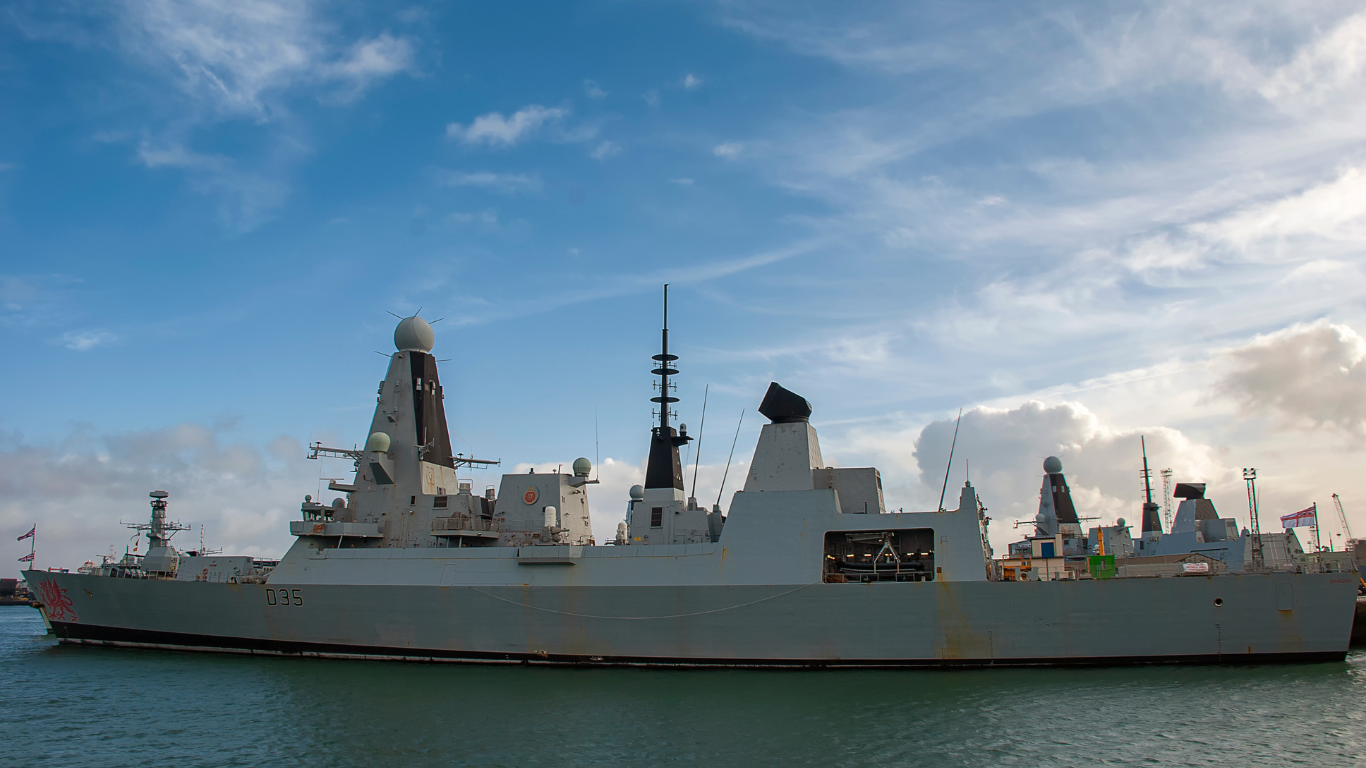
Stringer described it as a “bonsai military” — a perfectly formed miniature of the force we once had. On paper, the UK retains a carrier strike group, a nuclear deterrent, world class submariners and highly trained aircrew. But behind that polished front line sits a supply chain so thin that even modest surges in demand become difficult to sustain. Platforms are exquisite but fragile, programmes are ambitious but chronically delayed and the industrial base that once underpinned British capability has been allowed to contract to the point where rebuilding it will take years, not months.
None of this is the fault of the armed forces themselves. The frontline remains highly capable, and the people serving in uniform continue to deliver extraordinary results with the tools they have. The problem is the system around them , a procurement culture that over engineers everything it touches, a political cycle that prioritises short term optics over long term planning, and a strategic posture that has not been matched by sustained investment.
This is exactly why the Defence Investment Plan matters.
The DIP is not a bureaucratic exercise. It is the only mechanism capable of aligning political intent, industrial capacity and military need over the timescales defence actually operates on. Without it, industry is being asked to plan without sequencing, invest without certainty and scale without clarity.
Stringer’s assessment makes one thing clear: the UK is no longer dealing with a hypothetical future risk. We are living with the consequences of decisions made over the last thirty years, and the window to correct course is narrowing.
The crisis is already here. The question now is whether we choose to confront it or continue to drift.
It might be hard to conceive of a time when safety was not an important industry trend, but we do not have to look that far back. As modern systems become more complicated, the importance of safety engineering will only increase. But how do we specifically define safety engineering, and how has it changed throughout its existence?
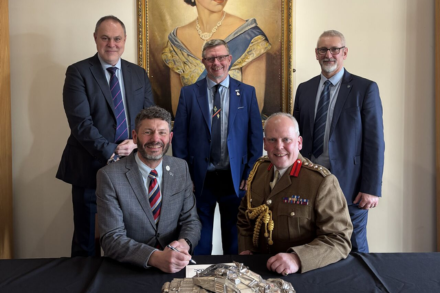
KDC Projects has formally signed the Armed Forces Covenant.
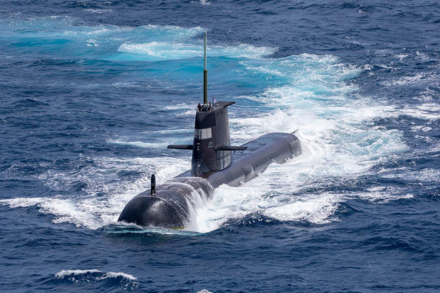
In March 2023, Australia joined the UK and US in a trilateral agreement to design and implement the next generation of nuclear submarines. Named the SSN-AUKUS deal, it’ll see Australia and the UK’s current fleets of Astute and Collins class submarines replaced by the same model. This has the potential to be a ground-breaking agreement for creating the future of underwater defence. To understand more, let’s look at the deal in more detail and the UK’s role in it.