The Impact of New Graduates on Commercial Aerospace

Now that commercial aerospace appears to be getting back to normal, we will hopefully see a gradual increase in the number of available jobs. Of course, it is a difficult time for any graduate workers entering employment, but especially so for graduate engineers.


Cartoon image of graduation hats being thrown into the air against a green background

As we return to normality, what does the future look like for graduate engineers in commercial aerospace?

COVID and the Aerospace Industry

COVID’s impact on the aerospace industry should be clear to us all by now. The 70% drop-off within the first three months has had a lasting effect on flight carriers and aerospace production companies.

According to the government report above, 33,500 people were made redundant by 1st July 2020. Airbus alone predicted a reduction of 15,000 positions by 2021, 1,700 of which were in the UK. This is just one example of what happened across manufacturers and flight carriers worldwide, and will likely take many years to overcome.

The Future of Aerospace

Looking ahead, we can understand this impact in two related ways. First, the aerospace job market has far fewer people than ever before, as many redundant workers, understandably, went elsewhere. Many companies were forced to get rid of skilled workers due to major restructuring efforts designed to preserve the business. In turn, this means there is much less demand on the job market.

As a result, many companies are looking towards new graduates to fill these empty positions as they once again become available. While graduate workers are nothing new, there has never before been a time when the job market was so freely available to them.

But what does this mean in real terms? Perhaps most importantly, it should mean greater access to specialist positions rather than working up through a company. For many graduates, this is an attractive prospect.

Also, it should mean a faster route into employment. While it will still be a competitive market, graduates will hopefully be able to step straight into a role rather than waiting around for one to become available. And, if aerospace gets back on track in the way we predict, this should happen quite quickly.

Alongside recovering from order backlogs, many aerospace companies used the pandemic as breathing room to focus on new technologies. Whether this is flexible cabin setups or clean fuel, we are on the verge of an aerospace revolution.

Hopefully, this will translate into not just replacement jobs, but new graduate roles entirely. Switching to hydrogen fuel or a similar alternative will take plenty of research and development, and is hopefully a wave graduates can ride.

Adjusting to New Working

The pandemic has forced many industries to rethink their working practices and adjust to backlogs and worker shortages. While it is unfortunate that so many people lost their jobs during the early stages, we can only hope that the aerospace industry bounces back better than before.

But, one positive within this is the effect it will have for graduate roles. Entering the workplace in the wake of the pandemic will present challenges, but hopefully they will be ones that graduates can overcome with ease.

Share this article

The Importance of Safety Engineering: A Growing Trend

It might be hard to conceive of a time when safety was not an important industry trend, but we do not have to look that far back. As modern systems become more complicated, the importance of safety engineering will only increase. But how do we specifically define safety engineering, and how has it changed throughout its existence?

KDC Projects Signs the Armed Forces Covenant

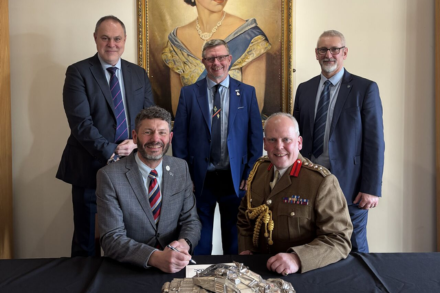
KDC Projects has formally signed the Armed Forces Covenant.

What is the UK’s Involvement in the AUKUS Deal?

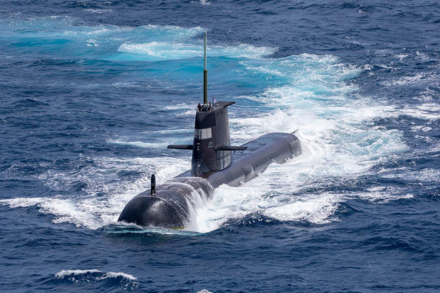
In March 2023, Australia joined the UK and US in a trilateral agreement to design and implement the next generation of nuclear submarines. Named the SSN-AUKUS deal, it’ll see Australia and the UK’s current fleets of Astute and Collins class submarines replaced by the same model. This has the potential to be a ground-breaking agreement for creating the future of underwater defence. To understand more, let’s look at the deal in more detail and the UK’s role in it.